
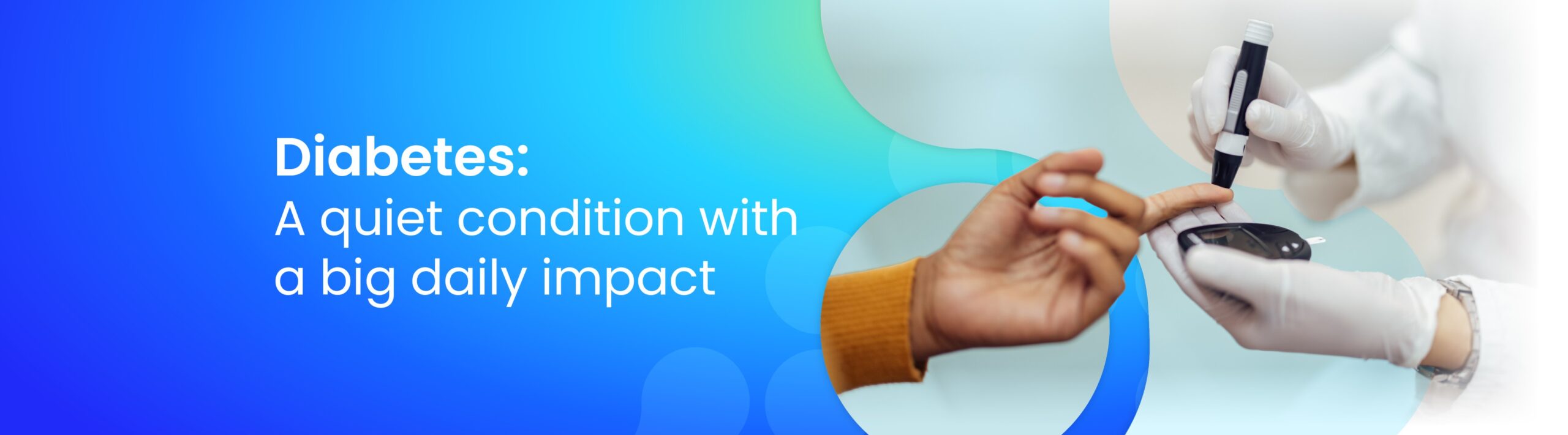
Diabetes is something many people hear about, but only truly understand when it affects their life or someone close to them. At its core, it changes how the body uses sugar.
When insulin isn’t functioning correctly or isn’t produced in sufficient amounts, sugar remains in the bloodstream instead of being absorbed by cells where it’s needed.
It sounds simple, but it impacts the entire body over time. There are two main types. Type 1 usually appears earlier in life, when the body stops producing insulin altogether — meaning daily insulin becomes part of everyday routine. Type 2, the most common form, develops gradually. The body becomes resistant to insulin, or it doesn’t produce enough insulin.
Tiredness, constant thirst, slow-healing wounds, or blurry vision often develop gradually, which is why many people don’t realise something is wrong at first.
What It Really Means to Live With It
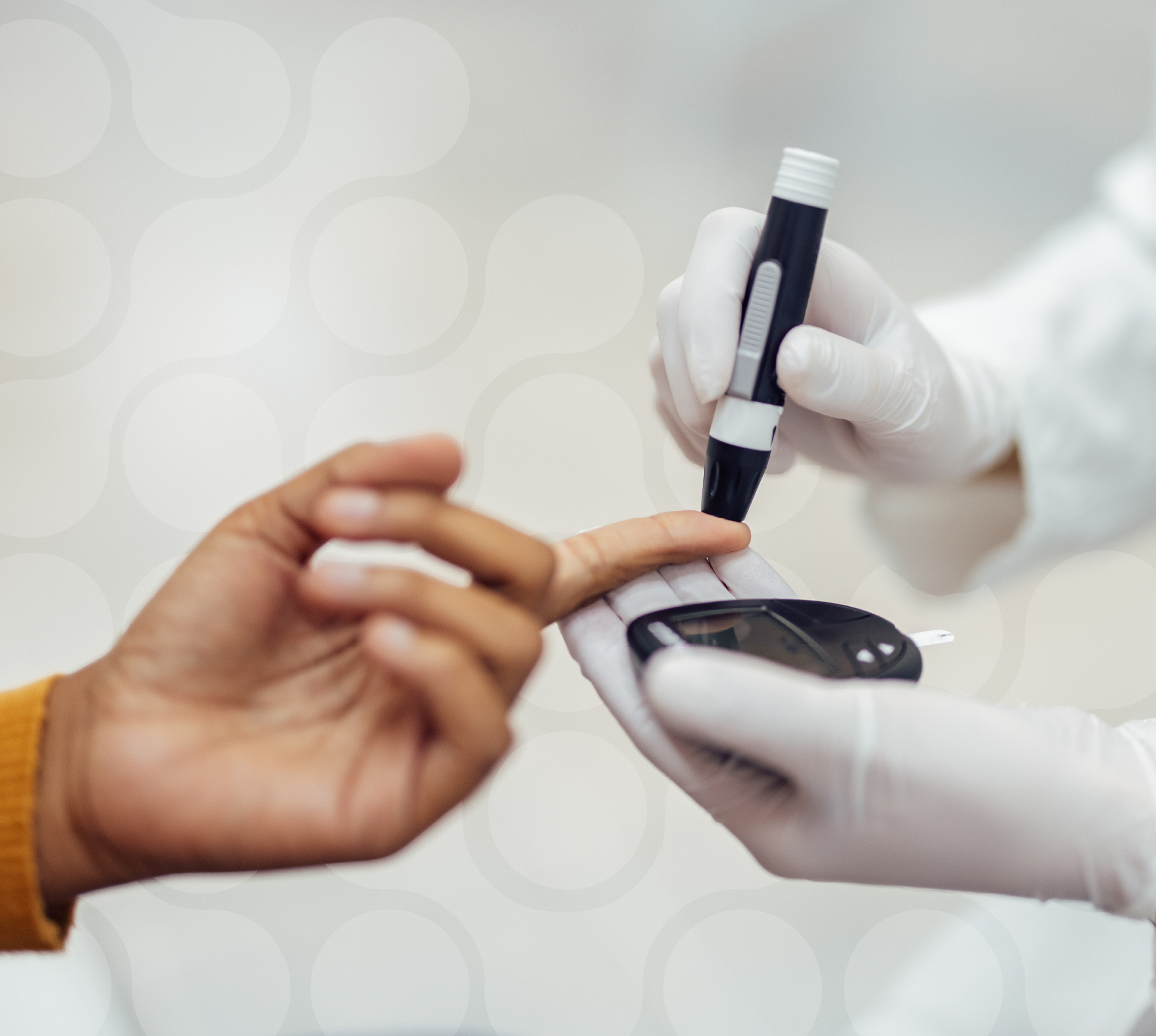
Managing diabetes becomes a part of life in a very real way. Meals, habits, movement, check-ups — all of it matters, but not in a dramatic way. It’s more about consistency than perfection. When handled early, it helps prevent complications with the heart, kidneys, nerves, and eyes.
But there’s also the emotional side that people don’t talk about enough. It can feel tiring to monitor everything. It can be frustrating to always “manage” something that doesn’t go away.
And it can feel lonely when others don’t understand how much effort is needed to stay balanced. A bit of empathy and patience can make a big difference for someone living with it.
Paying Attention Matters
The most important part is recognising early signs, asking questions, and getting checked. Diabetes doesn’t develop overnight, and most people notice symptoms long before they receive a diagnosis. Listening to your body — instead of pushing through — makes a difference.
Diabetes isn’t rare. It isn’t something people should face alone. The more we understand what it looks like in real life, the easier it becomes for those living with it to feel supported rather than judged.